Source Adjustable 925 Inlaid Diamond Ring for Gifts, Wedding, and Collection
Compare 30 adjustable 925 inlaid diamond ring options featuring sterling silver, zircon, and copper materials. Explore diverse shapes like hearts and rounds, with OEM/ODM services available for wholesalers and distributors seeking unique designs; compare the available evidence and request quotations based on your requirements.
Key considerations
Products List




Comprehensive Sourcing Guide
Adjustable 925 Inlaid Diamond Ring Sourcing Guide
Procuring adjustable 925 inlaid diamond rings requires careful attention to the specific design mechanisms that allow for size flexibility while maintaining structural integrity. The observed market data indicates that many suppliers offer rings with adjustable chain rings, a feature that accommodates various finger sizes without the need for resizing. Buyers must verify that the adjustment mechanism is robust enough to withstand daily wear, as loose settings can lead to stone loss or deformation over time.
When evaluating product listings, it is essential to distinguish between rings designed for specific demographics and those marketed as universal. While some listings explicitly state suitability for females, others indicate a universal or male-friendly design, suggesting a broader market appeal. Sourcing teams should prioritize suppliers who clearly define the target audience to ensure the inventory aligns with their specific retail strategy and customer base expectations.
Product Scope and Observed Listing Signals
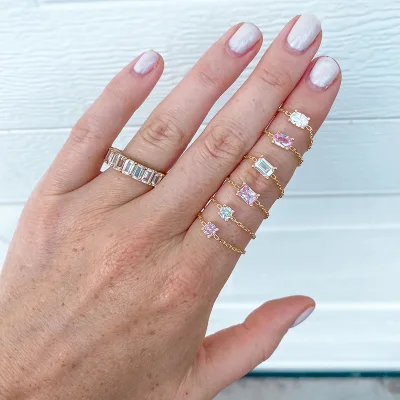
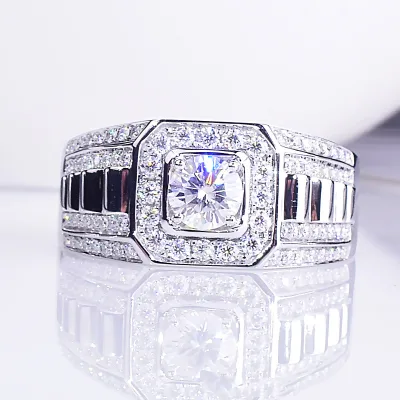
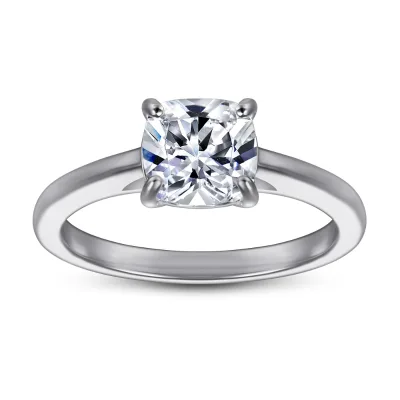
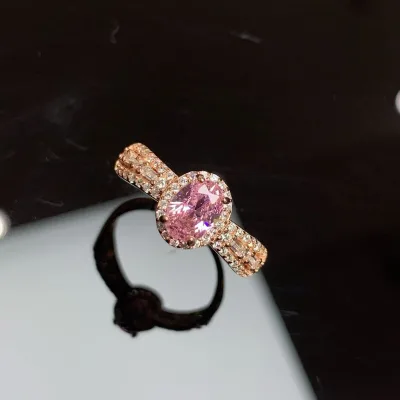
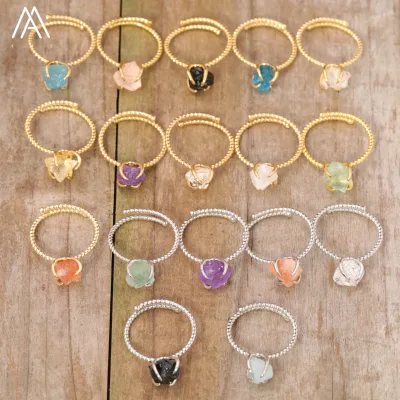
The product scope for this category encompasses a wide variety of shapes and colors, ranging from geometric and heart designs to round and oval forms. Listings frequently display options in multiple hues including pink, green, red, white, and blue, often paired with rhodium plating to enhance durability and luster. Buyers should note that while the core material is often 925 sterling silver, some variations may incorporate copper or zircon, necessitating a clear verification of the primary metal composition before placing orders.
Commercial signals in the market reveal significant variability in minimum order quantities, with observed ranges spanning from single units to 500 pieces. Specific listings indicate MOQs as low as 20 or 30 pieces, which can be advantageous for small businesses testing new designs. However, procurement teams must also account for customization availability, as many suppliers offer OEM and ODM services that may require higher volume commitments or specific design fees to activate.
Technical Specifications to Verify
Technical verification must begin with the purity of the silver, as the standard for 925 sterling silver is strictly defined as 92.5% pure silver. Buyers should request assay certificates or mill reports to confirm that the metal content matches this specification, ensuring the product meets international quality standards. Additionally, the processing methods, such as casting and polishing, significantly impact the final finish and should be inspected to ensure there are no casting defects or rough edges that could compromise the ring's comfort or appearance.
Ring sizing is another critical technical parameter, with standard sizes typically ranging from 7 to 11, though customized sizing is often available upon request. The presence of unique 3D designs and creative styles requires precise dimensional checks to ensure the inlaid stones are securely set and the overall geometry remains consistent. Buyers should also verify the weight specifications, as some listings reference a standard weight of 4.2 grams, which serves as a benchmark for material density and value assessment.
Compliance and Safety Documentation
Compliance documentation for jewelry sourcing often involves verifying that the materials used are free from harmful substances like lead or nickel, which can cause allergic reactions. While specific certification names are not universally mandated in all listings, buyers should ensure that suppliers adhere to relevant international safety standards for jewelry, particularly when the product is marketed for sensitive skin or children. The absence of explicit certification claims in some listings means that buyers must proactively request material safety data sheets or third-party test results.
Safety also extends to the packaging and shipping processes, which must protect the delicate nature of the rings during transit. Standard packaging often includes individual OPP bags and strong cartons, but buyers should confirm that the packaging is sufficient to prevent scratching or damage during long-distance shipping. Ensuring that the supplier follows proper handling protocols is crucial for maintaining the product's pristine condition upon arrival, especially for high-value items like inlaid diamond rings.
Cost Drivers and Commercial Terms
Cost drivers in this market are heavily influenced by the choice of materials, with 925 sterling silver and zircon inlays commanding different price points compared to copper-based alternatives. The complexity of the design, such as unique 3D shapes or intricate geometric patterns, also adds to the manufacturing cost due to the additional labor and precision required. Buyers should analyze the price range of 1.75 to 22.13 USD to understand the correlation between design complexity, material quality, and final retail pricing.
Commercial terms regarding payment and delivery are equally critical for managing cash flow and inventory planning. Suppliers typically accept various payment methods including T/T, Western Union, and PayPal, but buyers should negotiate clear terms regarding deposit requirements and balance payments. Delivery times generally range from 30 to 35 days after the deposit is received, with sample times available within 15 work days, so procurement schedules must account for these lead times to avoid stockouts.
Supplier Qualification and Quality Control
Supplier qualification should focus on their ability to handle customization requests and their track record with OEM and ODM services. Many suppliers welcome these requests, but buyers must assess their capacity to maintain consistent quality across large batches, especially when dealing with adjustable mechanisms and inlaid stones. Verifying the supplier's location, such as Guangzhou, China, can provide insights into their logistical capabilities and familiarity with international export standards.
Quality control measures must be rigorous, particularly for rings that undergo casting and polishing processes. Buyers should implement a sampling strategy to inspect the finish, stone setting security, and the functionality of the adjustable chain rings before approving bulk production. Establishing clear quality benchmarks and communication channels with the supplier ensures that any deviations from the agreed specifications are identified and rectified promptly, minimizing the risk of receiving substandard inventory.
Long-Term Procurement Checks
Long-term procurement success relies on maintaining a stable relationship with suppliers who can consistently meet evolving market demands. Buyers should regularly review supplier performance metrics, including adherence to delivery timelines and the consistency of product quality over multiple orders. Building a partnership with suppliers who offer flexible payment terms and responsive customer service can provide a competitive advantage in a dynamic market.
Continuous monitoring of market trends and product innovations is essential for staying ahead of competitors. As styles shift from simple designs to more creative or fashion-forward options, buyers must ensure their suppliers can adapt quickly to new design requests. Regularly updating the product portfolio with fresh designs, such as heart shapes or new color variations, helps maintain customer interest and drives sustained sales growth in the adjustable ring segment.
FAQs
What materials are used for adjustable 925 inlaid diamond rings?
The rings are crafted from 925 sterling silver with rhodium plating for durability and shine. Some designs incorporate zircon stones for added sparkle. The metal purity is verified at 92.5%, ensuring high quality. These materials are selected for their aesthetic appeal and resistance to tarnishing, making them ideal for daily wear and special occasions.
Can I customize the design of these adjustable rings?
Yes, customization is available for these adjustable rings. Buyers can request specific shapes, colors, or unique 3D designs. The supplier welcomes OEM and ODM services to meet distinct branding needs. Custom sizes and packaging options are also supported. This flexibility allows businesses to tailor products to their target audience's preferences effectively.
What is the minimum order quantity for these rings?
The minimum order quantity varies by design, typically ranging from 20 to 50 pieces. Some standard items may allow orders as low as one piece for sampling. Bulk orders benefit from consistent pricing and streamlined production. Buyers should confirm the specific MOQ for their chosen style to ensure alignment with their inventory requirements and budget constraints.
How long does delivery take for bulk orders?
Delivery typically occurs within 30 to 35 days after receiving the deposit. Sample production takes within 15 working days. Shipping methods include DHL, FedEx, TNT, and UPS for global reach. These timelines ensure timely fulfillment for wholesale and distributor needs. Buyers should account for shipping duration when planning inventory replenishment or seasonal launches.
What payment methods are accepted for these rings?
Accepted payment methods include T/T, Western Union, PayPal, and Money Gram. Bank transfers are also supported for secure transactions. These options provide flexibility for international buyers. Payments are processed upon order confirmation to initiate production. Buyers should verify the preferred method with the supplier to ensure smooth transaction handling and timely order processing.
What shapes and colors are available for these rings?
Available shapes include round, heart, oval, and square designs. Colors feature pink, green, red, white, and blue variations. The rings are suitable for female, male, and universal wear. These diverse options cater to various fashion trends and personal preferences. Buyers can select combinations that align with their market demand and aesthetic goals.